Masatoshi Noguchi
∗1988, Japan/Italy
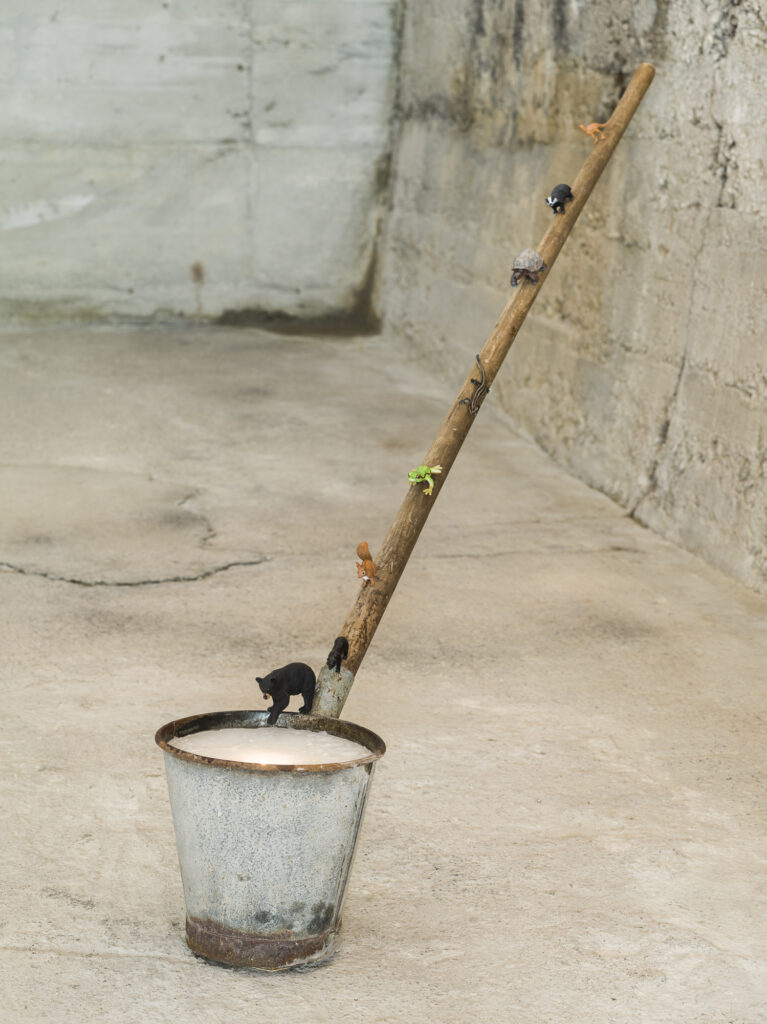
Masatoshi Noguchi (1988, Yokohama, Japan) has been living in South Tyrol since 2021. Mostly ephemeral in nature, his works balance feelings of isolation, blues, and vitality. Frequently incorporating materials such as cleaning tools, plants, and food, his practice playfully portrays human and planetary exhaustion, while also addressing soft resistances as modes of survival in such circumstances.In his artistic practice, cyclical systems play a central role. Organic materials appear in various stages of their existence—from fresh plants to dried or processed forms, such as cooked food. As a result, the works are often transient—sometimes even edible.
Like the seasons that come and go, existing within a constant cycle, Noguchi’s work reaches toward the celestial motions responsible for weather and gravity, viewed as the largest scale of the ecosystem. From this perspective, his engagement with pedagogical questions unfolds in a balance between control and freedom, between the garden and wild growth.
“As we transition into this cold season, what seeds shall we plant? Or shall we, like Frederick, gather sun rays, colors, and beautiful words for the dark days?”
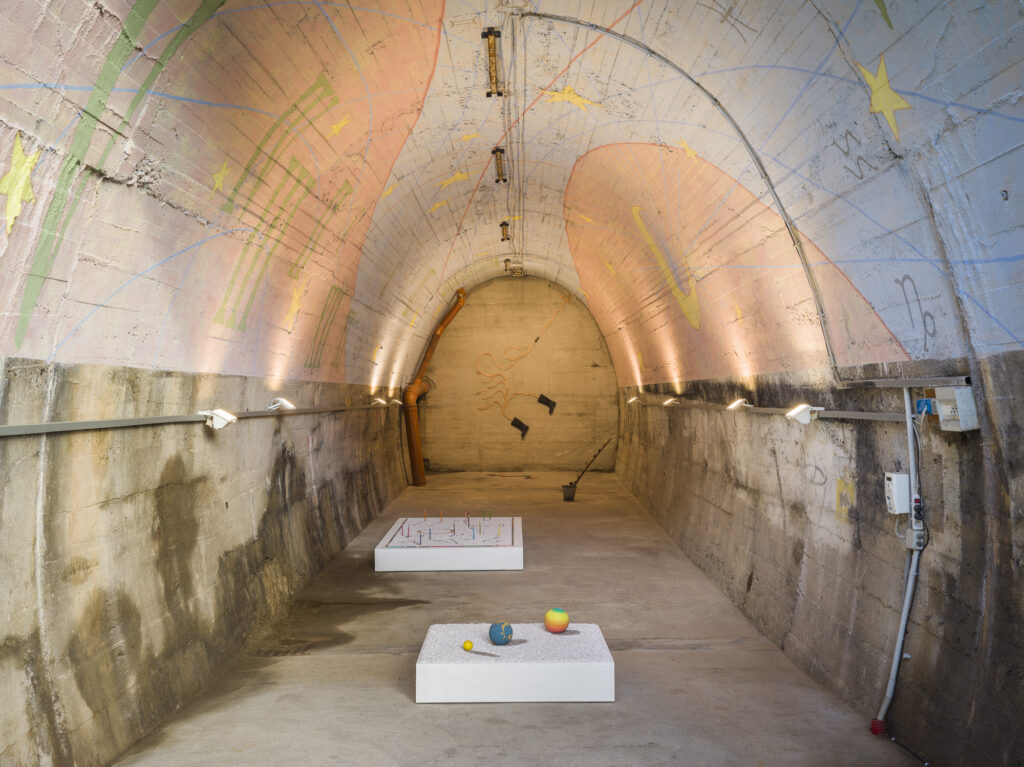
Within a disused and sealed train tunnel in the heart of Ortisei, Noguchi constructs an installation that unfolds questions about stars, calendars, and the seasons—specifically winter. As humanity shifted from hunting to agriculture, celestial observation gained new significance. Star motifs appeared in cave paintings and burial sites, reflecting emerging ways of relating environment and future to recurring annual cycles.
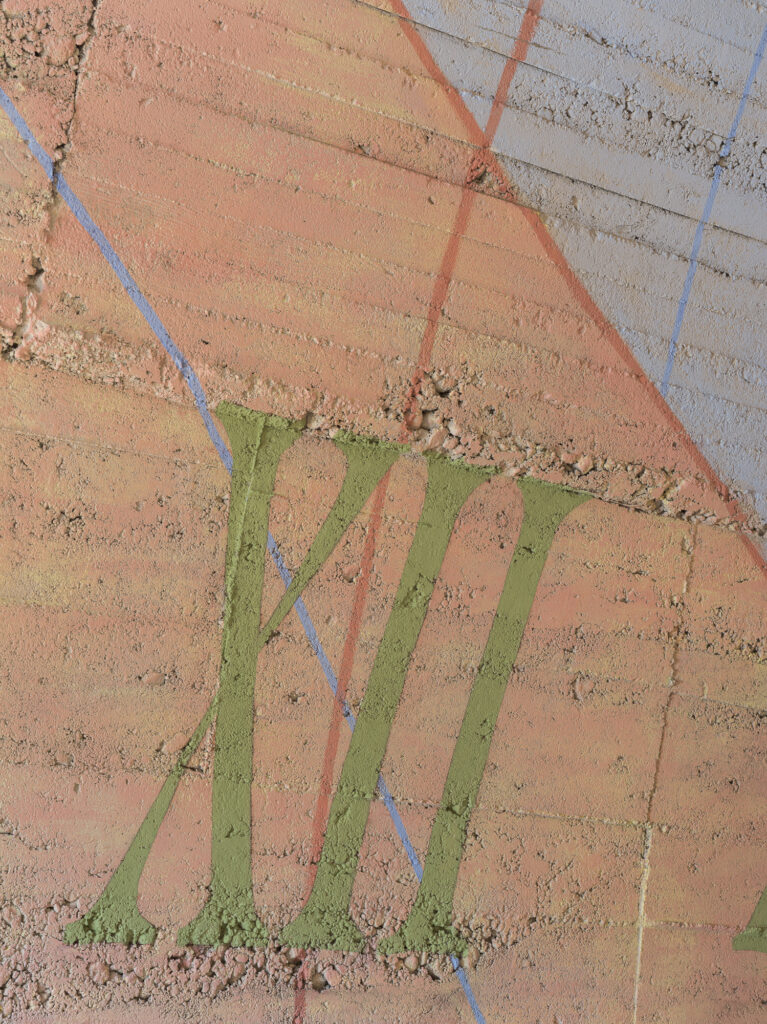
The tunnel—once a space of transit, now reduced to storage—becomes a site where orientation begins to slip. Across the arched ceiling, a drawing of a sundial traces a system that can no longer function—its logic dependent on a sun that never reaches this space. Light and shadows are understood as relational conditions—but within Noguchis installation the shadow becomes independent and with its own will. Within this interplay, certainty dissolves. Time, shadow, and seasons are distorted in this tunnel.
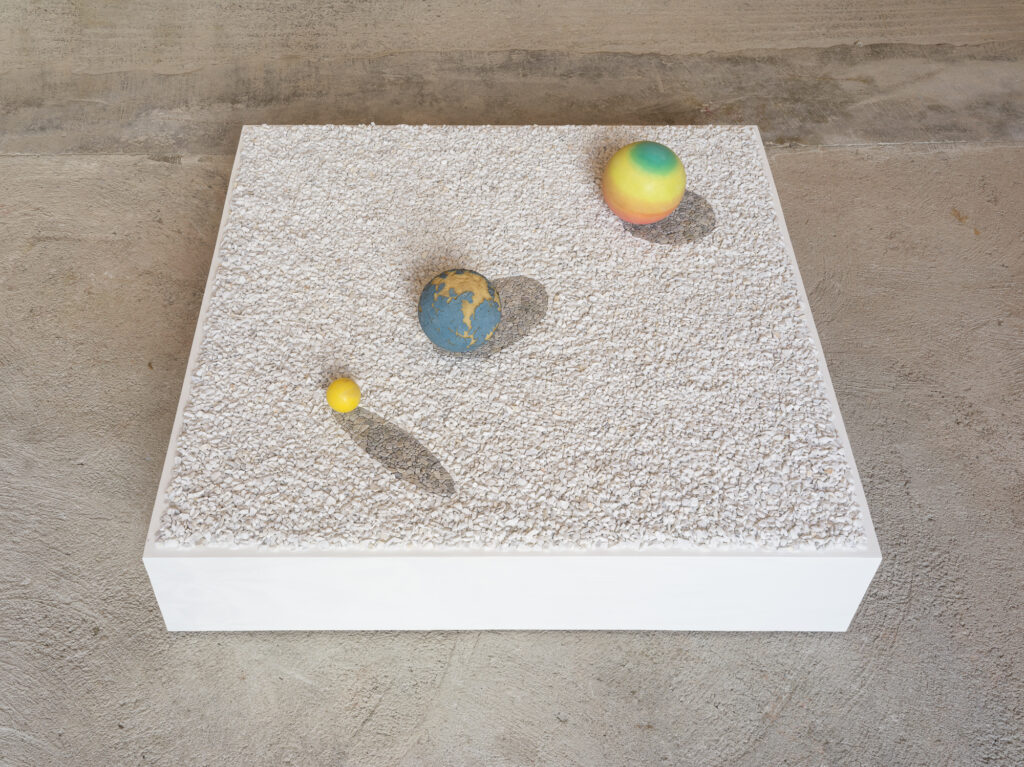
Beneath the drawing on the ceiling, another installation reminiscent of a sundial appears. 12 and the Sun references the clock, the twelve months, twelve colors, and celestial cycles. Here, the shadow seems to take on a life of its own, bringing together multiple positions of the sun at once.
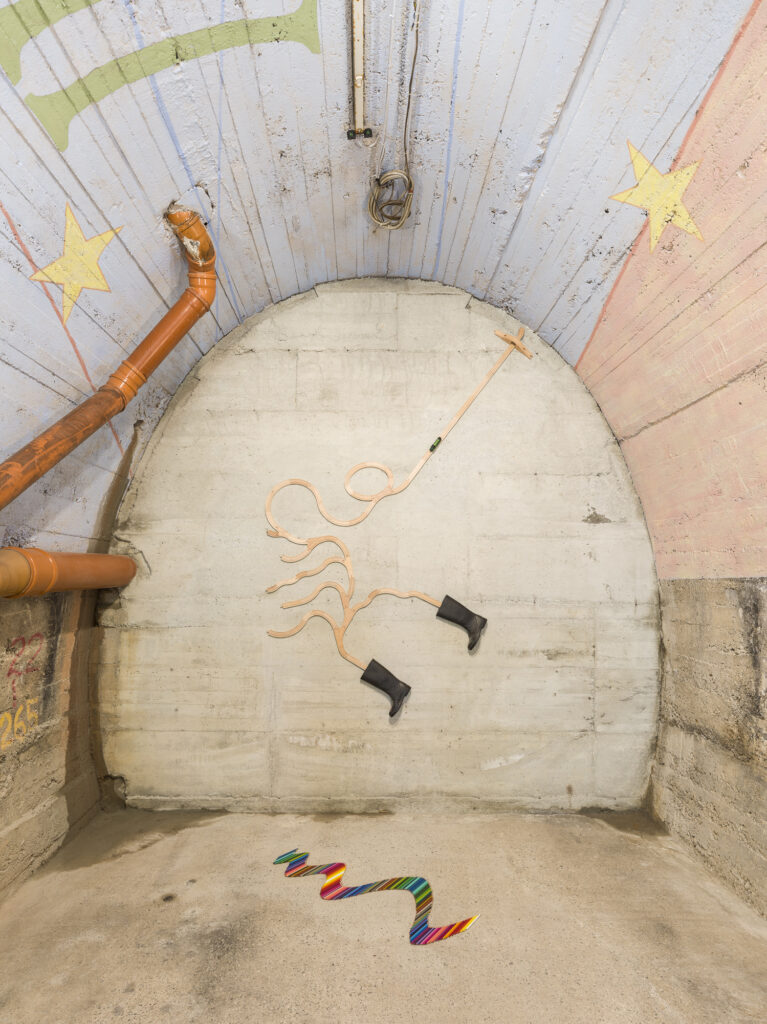
Against this ordering of time, seasons appear less as a system than as an experience. They reflect both our environment and our emotions, echoing the gestures of the mouse Frederick in the 1967 children’s book by Leo Lionni, who gathers not food, but light, color, and beautiful words for winter. Through his installations, Noguchi captures the scent and color of the coming spring, within the darkness of winter.
Thanks to Fabrizio Senoner, Keim Colors, Decor, die Malermeister, Heinz Lardschneider
Has taken part in: